Random Realizations of Life
I’m deeply affected by the TED talk called “Life is Easy” by Jon Jondai.
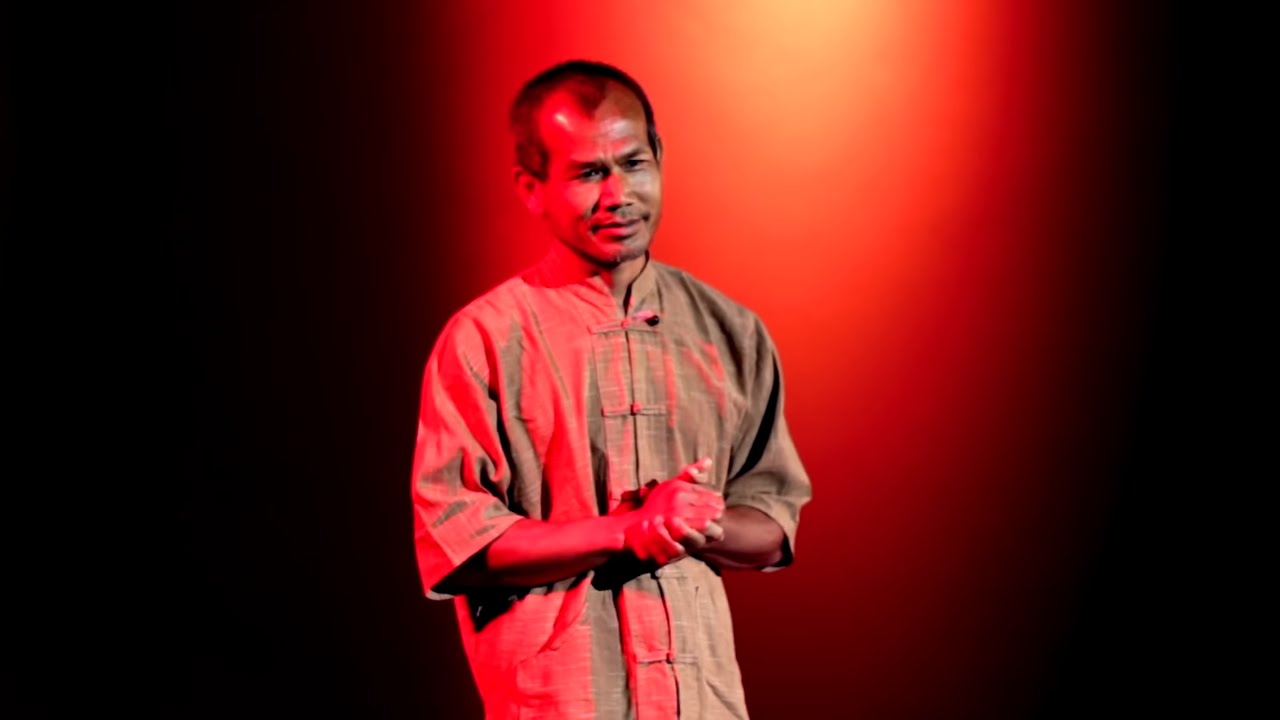
Its a funny thing, looking back, how some moments feel like huge signposts, while others are quiet shifts that only make sense much later. This journey, this constant process of becoming, is what makes life so rich and full. It’s in these experiences, these moments of reflection and gratitude, that we truly grow and understand ourselves better.1
As I look back, I see a continuous process of personal evolution, marked by both intentional efforts to grow and significant milestones that simply happened along the way. All of these contribute to the unique story of who I am becoming. There’s a deep human desire to make sense of our experiences, to find patterns and meaning in the chaos of life. Simply listing events isn’t enough; the true human element comes from processing and interpreting them into a coherent story, conveying what the aftermath was and leaving something of value for ourselves and others.2 This personal narrative is my way of exploring not just what happened, but what it meant to me.
Growing Pains and Gains – My Personal Evolution
This part of my story is about the times I actively worked on myself, showing vulnerability and honesty in the process. It’s about the lessons I learned when I decided to take the reins and steer my own development.
Learning to Dance with Time: My Never-Ending Time Management Journey
There was a time, not so long ago, when my days felt like a frantic game of whack-a-mole. Every new task felt like another mole popping up, demanding attention, and I was just swinging wildly, often hitting nothing important. I’d finish the day exhausted but with little to show for it. It was a constant struggle to keep up, and I often felt perpetually overwhelmed, juggling too many tasks or missing deadlines.
Then came an “aha!” moment. I realized I couldn’t just wish for more hours in the day; I had to learn to work with the hours I had. This realization was a pivotal point, because I came to understand that no matter what my aspirations were, everything truly starts with how I manage my time. Accomplishing anything worthwhile takes time, often lots of it, so mastering this skill became a foundational step in my personal development.3
I started by learning to prioritize what truly mattered. I began asking myself: “Is this truly important, or just urgent?” It helped me focus my energy on the things that actually moved the needle, letting go of the rest. This simple mental filter, much like the Eisenhower Matrix, helped me identify high-impact tasks, delegate what I could, and defer the less crucial ones.3 It was about directing my efforts where they would make the biggest difference.
Large, intimidating projects used to feel like climbing Mount Everest. Now, I see them as a series of smaller hills, each with its own path. I learned to break them down into smaller, more manageable steps, which made them feel less overwhelming and more achievable.3 This approach transformed daunting tasks into a series of conquerable mini-goals.
The constant battle with notifications and noise was another challenge. My phone used to be a constant siren call, pulling my attention in a million directions. I learned to minimize these distractions by setting aside dedicated work time, silencing notifications, and finding a quiet workspace.3 Sometimes, I’d even use a simple timer, like the Pomodoro Technique, to stay focused for set periods before taking a break.
And speaking of breaks, I discovered their power. It sounds counterintuitive, but stepping away for a few minutes often helps me come back refreshed and with a clearer head. Scheduling regular breaks isn’t lazy; it actually boosts focus and energy, allowing me to return ready to tackle tasks with renewed vigor.3 This understanding of time management as a foundational skill has been instrumental. It became clear that if I couldn’t manage my time effectively, achieving any other personal development goal – whether learning a new skill or boosting my confidence – would be significantly harder. This isn’t a one-and-done fix but a skill that needs continuous refinement and application, much like any other skill I’ve acquired. It’s about ongoing effort and adaptation, reflecting the messy, human reality of growth.
The Endless Classroom of Life: Embracing Lifelong Learning
I always thought learning was for school, something you “finished” once you got your diploma. But then I realized life itself is the biggest classroom, and the lessons never really stop. There was a time when I felt stuck, like my skills were becoming outdated. That’s when I picked up a new hobby, something unexpected that challenged me, and it opened my eyes to the continuous nature of learning.
It became clear to me that being a lifelong learner is no longer just an option; it’s a necessity. Henry Ford had it right: “Anyone who stops learning is old, whether at twenty or eighty. Anyone who keeps learning stays young”.3 It’s not just about keeping up with job skills; it’s about keeping your mind fresh, curious, and adaptable in a constantly changing world.
My approach to learning evolved. First, I had to find my spark, pinpointing a skill that resonated with me, whether for career advancement or just personal passion.3 For me, it was learning to paint. Something I’d always wanted to try but never made time for. Then, I explored diverse learning avenues. I started with some free online videos, then took a weekend workshop. There are so many ways to learn these days, from online courses to hands-on workshops, or just self-study with books and tutorials.3
Most importantly, I learned the value of applying my knowledge. It’s one thing to learn something; it’s another to actually do it. That’s where the real learning happens. Testing new skills in the real world, whether at work, in my personal life, or in passion projects, solidifies understanding and builds confidence.3 Finishing a painting or confidently giving a presentation after practicing for weeks provided a real sense of accomplishment. The beauty of lifelong learning is that the curriculum is endless. Once I felt comfortable with painting, I found myself eyeing pottery. There’s always something new to discover, keeping the learning journey alive and expanding my horizons.3 This continuous learning isn’t just about acquiring knowledge; it’s about evolving my identity and capacity for adaptation, maintaining relevance, curiosity, and a dynamic sense of self. It’s about becoming a more complete and resilient person.
Building My Own Backbone: The Journey to Self-Confidence
I used to be my own worst critic. That little voice in my head could talk me out of anything, convince me I wasn’t good enough before I even tried. I often felt held back, unable to unlock my full potential. It was a constant battle against self-doubt.
I came to understand that self-confidence is your inner foundation. It’s like building a house; if the foundation isn’t strong, nothing else can stand tall.3 This inner strength is crucial for achieving greater success and truly realizing what you’re capable of.
One of the most powerful strategies I adopted was challenging that inner critic. It wasn’t easy, but I started talking back to that negative voice. Replacing “I can’t” with “I’ll try” was a huge step, rewiring my mindset to create a more constructive inner dialogue.3 As Eleanor Roosevelt wisely said, “No one can make you feel inferior without your consent”.3
I also learned to embrace challenges instead of shying away from them. Each time I did something that scared me – speaking up in a meeting, trying a new sport – a little surge of confidence would build. Stepping outside my comfort zone pushed me to grow and expand my capabilities, and each time I conquered a new task or experience, I gained momentum.3 It’s like a muscle; the more you use it, the stronger it gets.
And when I stumbled, which I still do, I learned to be gentle with myself. Everyone makes mistakes. Setbacks aren’t failures; they’re just opportunities to learn and grow.3 Practicing self-compassion, treating myself with the same understanding and kindness I’d offer a friend, became vital. This ability to recover from setbacks without debilitating self-criticism is what allows true confidence to be sustainable. This journey of boosting self-confidence is deeply internal, involving challenging thoughts and self-compassion. By detailing these internal struggles and their resolution, my story becomes profoundly human and relatable, showing the complex inner world of a person and not just recounting events.
Markers on My Path – Milestones That Shaped Me
Beyond the intentional efforts to grow, life also presents us with significant markers, external events that profoundly shape who we become. These milestones, big and small, are like signposts on our unique path.
From Tiny Steps to Big Leaps: The Early Years
Looking back, it’s funny how much of our story is written before we even know how to hold the pen. My earliest memories are hazy, but I know the foundations were being laid, even in those moments I can’t consciously recall.
I’m told my first word was “ball,” and my first steps were quite the spectacle, a “big deal” for my family.1 These tiny things, really, but they were the start of everything – learning to communicate, learning to move through the world on my own two feet. They built a foundational sense of capability and agency, even if unconscious at the time.
That first day of school, with a new backpack and a knot of nerves, was a huge leap into a new world. Suddenly, my world wasn’t just home; it was classrooms and playgrounds, full of new experiences and adventures.1 It was the beginning of navigating a larger social environment.
Finding those early passions, whether it was drawing for hours or joining a sports team, helped me figure out what made me tick. And that first best friend? That was a whole new lesson in sharing, loyalty, and just being yourself.1 These early experiences helped shape my interests and identity, laying the groundwork for later social understanding. Even losing that first wiggly tooth felt like a big deal, a sign of growing up. And the first crush? Oh, the drama! It was a memorable milestone, introducing a whole new world of feelings and lessons about emotions and relationships.1 These early milestones are not just events, but formative experiences that build the initial self, providing a deeper meaning to these reflections.
Stepping Out and Standing Tall: The Road to Independence
Then came the years of stretching my wings, of figuring out who I was outside the family nest. It was a mix of excitement and a little bit of fear, all rolled into one. This period was defined by a significant shift from dependence to independence.
High school graduation felt like the end of one chapter and the dizzying beginning of another. And college graduation? That was the culmination of years of hard work, dedication, and academic achievement, a real sense of accomplishment.1 These graduations marked a clear transition to young adulthood.
Getting that college acceptance letter felt like a golden ticket, opening up a world of possibilities I hadn’t even imagined.1 It instilled pride and excitement for the future, signaling new opportunities.
The day I moved out of my parent’s house, and later, into my first apartment, felt like true freedom. It was a tangible step towards independence and adulthood 1, even if it meant learning to cook for myself and managing my own bills! It was about taking on greater responsibility and making my own decisions.
That first “real” job, the one after all the part-time gigs, was a huge moment. It wasn’t just a paycheck; it was a feeling of truly standing on my own two feet, signifying entry into the workforce and the beginning of financial independence.1 These milestones are not just events; they are rites of passage that force individuals to define themselves apart from their families, compelling the internal development of self-reliance and a stronger sense of identity. The aftermath of these events was a more defined, independent self.
The Big Moments and Quiet Victories: Adulthood and Beyond
Adulthood brought its own set of milestones, some loud and celebrated, others quiet victories that only I truly understood. The journey certainly didn’t stop; it just continued in more subtle but equally profound ways.
Getting married was a momentous milestone, a profound commitment to love, partnership, and lifelong companionship.1 And buying our first home? That was a huge financial milestone, a feeling of putting down roots and creating our own space, signifying stability and security.1
A career promotion wasn’t just about a new title; it was a recognition of years of hard work, dedication, and expertise.1 It felt like an affirmation of the skills I’d learned and the confidence I’d gained.
Then there are the personal goals, the ones nobody gives you a certificate for. Running that marathon, finally learning to play the guitar – these were milestones that reflected growth and self-improvement, proving to myself what I was capable of.1 These achievements were a direct application of the time management and new skills I had cultivated.
Traveling to that dream destination was more than just a trip; it was the fulfillment of a long-held desire for adventure, exploration, and cultural immersion.1 It changes you, broadening your perspective in ways you can’t imagine. It’s a quiet joy, this stage of life, watching the world unfold around you, and knowing your part in it.
And now, becoming a grandparent… that’s a joy I couldn’t have imagined. It’s a precious milestone that brings immeasurable joy, pride, and love, marking the continuation of a family legacy and the passing of wisdom and traditions to future generations.1 These adult milestones often involve a deeper commitment to others, to community, or to a personal legacy. They are not just achievements but often involve a re-evaluation of values and purpose, shifting personal growth from self-discovery to self-actualization and contribution. This shows how external events are deeply intertwined with internal personal development, creating a continuous loop where experiences drive growth, and growth enables new experiences.
The Unfolding Story
So, looking back at all these moments – the small personal shifts and the big life events – it’s clear that life is a continuous unfolding story. It’s a journey of constant learning, deliberate growth, and the marking of significant moments that shape us. Both the intentional development, like learning to manage my time or build my confidence, and the unexpected milestones, like graduations or new family roles, contribute to the unique narrative of who we become.
It’s a beautiful thing, this life, full of lessons and laughter, quiet moments and big celebrations. Every step, every stumble, every new thing we recieve, it all adds up to the unique person you are today. The value of this reflection isn’t just about looking back with nostalgia; it’s about gaining understanding that informs future choices and actions. It’s about understanding what went well, what could be different, and how those experiences prepare us for what’s next.2
So, take a moment, look back, and then look forward. Your story is still unfolding, and there’s so much more to see and learn. Embrace it all.
Works cited
- 30 Important Life Milestones to Document - Meminto Stories, accessed May 23, 2025, https://meminto.com/blog/30-important-life-milestones-to-document/
- What should a reflection do in a narrative essay? - Quora, accessed May 23, 2025, https://www.quora.com/What-should-a-reflection-do-in-a-narrative-essay
- 20 Personal Development Goals (Work & Life Examples) - Reclaim.ai, accessed May 23, 2025, https://reclaim.ai/blog/personal-development-goals
- Reflective writing Structure - Western Sydney University, accessed May 23, 2025, https://www.westernsydney.edu.au/__data/assets/pdf_file/0007/1082779/Reflective_writing_Structure.pdf
Subscribe to future articles
No spam, once a month email.